F Aant Special Projects
Edit Napoli (Domitilla Dardi)
Gabriele Rosa
The project:
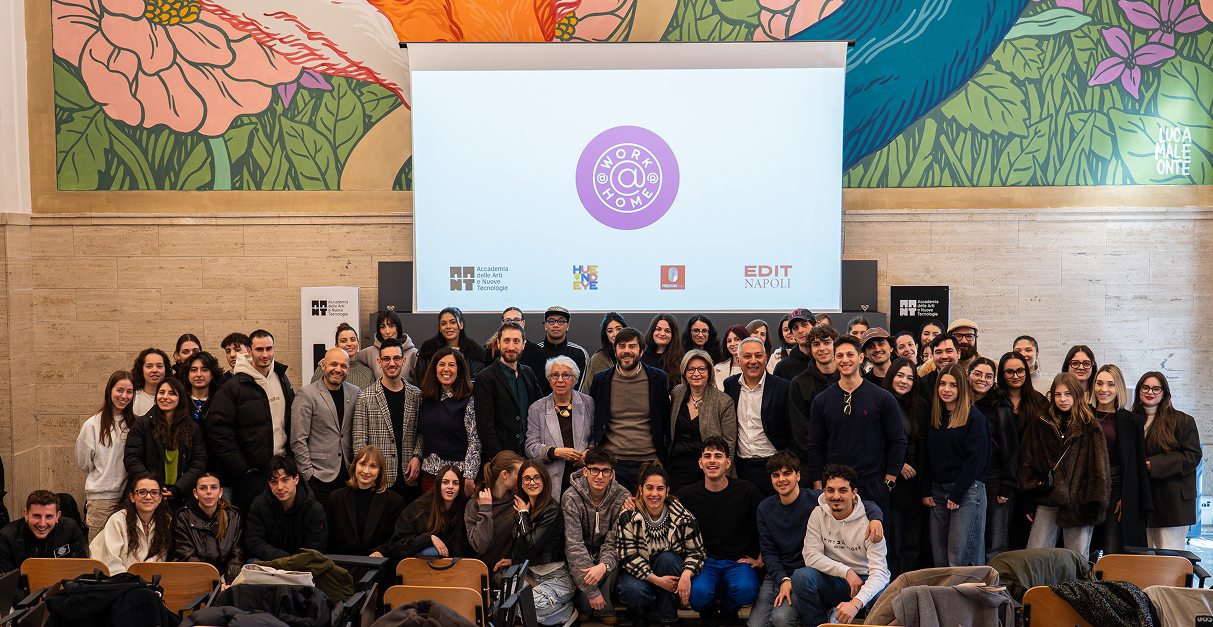
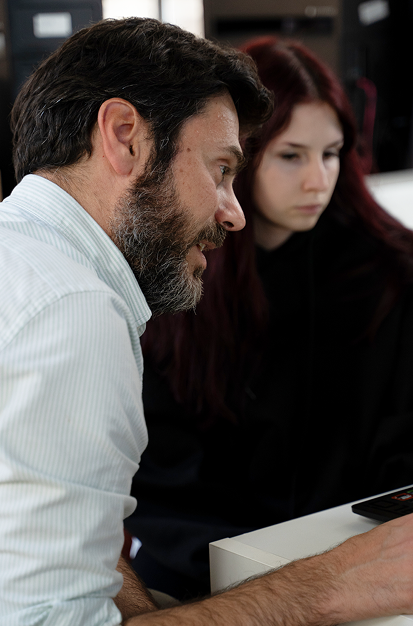
During the second semester of the 2025/2026 academic year, AANT launched Work@Home, an internal competition for third-year Interior and Product Design students, conceived to strengthen the connection between academic education and professional design practice.
Developed in collaboration with Hue&Eye and with the production support of Prezioso Casa, the project was created in the context of EDIT Napoli 2026, where the winning desk will be exhibited as part of the event.
Brief
Students were asked to design a desk for home working conceived for contemporary living: a piece capable of responding to the practical needs of working from home, integrating naturally into domestic interiors, and expressing a distinctive design identity.
Context
In recent years, domestic spaces have taken on new functions, increasingly becoming places in which people also work. In this context, the home office desk moves beyond its basic role as a work surface to become an element that combines ergonomics, technology, organisation and aesthetic quality.
The project therefore invited students to explore the relationship between work and domestic life, functionality and comfort, and between a technical object and a piece of furniture.
Main Materials
The project primarily encouraged the use of wood, which could be combined with other materials such as:
- metal;
- leather and textiles;
- ceramics;
- 3D-printed components used to simulate elements intended for serial production.
Materials had to be selected consciously, with each choice clearly motivated and consistent with the concept from both an aesthetic and technological perspective.
Design Aspects to Explore
The development of each project had to consider:
Style and formal language: aesthetic consistency, quality of proportions and the relationship with the domestic environment.
Applied technology: integration of solutions for cable management, power outlets, lighting, accessories and potential smart features.
Workspace organisation: solutions for arranging tools, devices, documents and accessories in a functional and orderly way.
Integration into everyday life: possibilities for transformation, closure, visual concealment or adaptation to different moments of the day.
Required Outputs
Students were asked to produce a complete set of project boards, including:
Design concept: a summary page combining text and images to communicate the central idea behind the project.
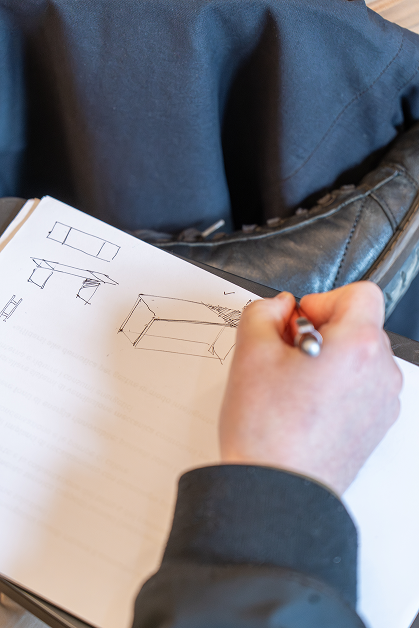
Design sketches: exploratory drawings documenting the development of the idea.
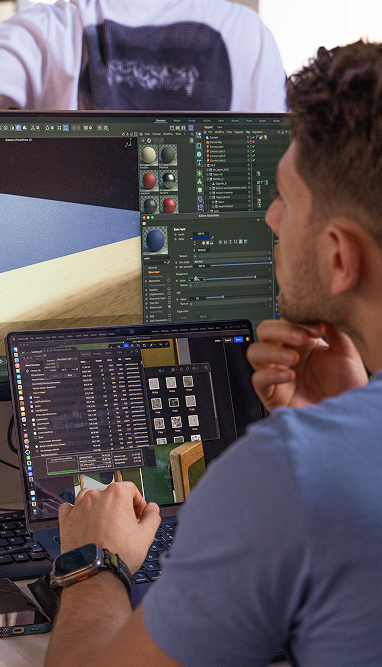
Renderings: photorealistic images showing the desk within its intended domestic setting.
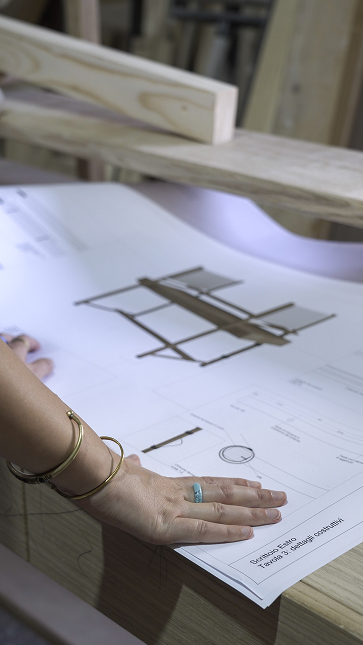
Technical drawings: detailed drawings including dimensions, materials and construction specifications.
The Outcome
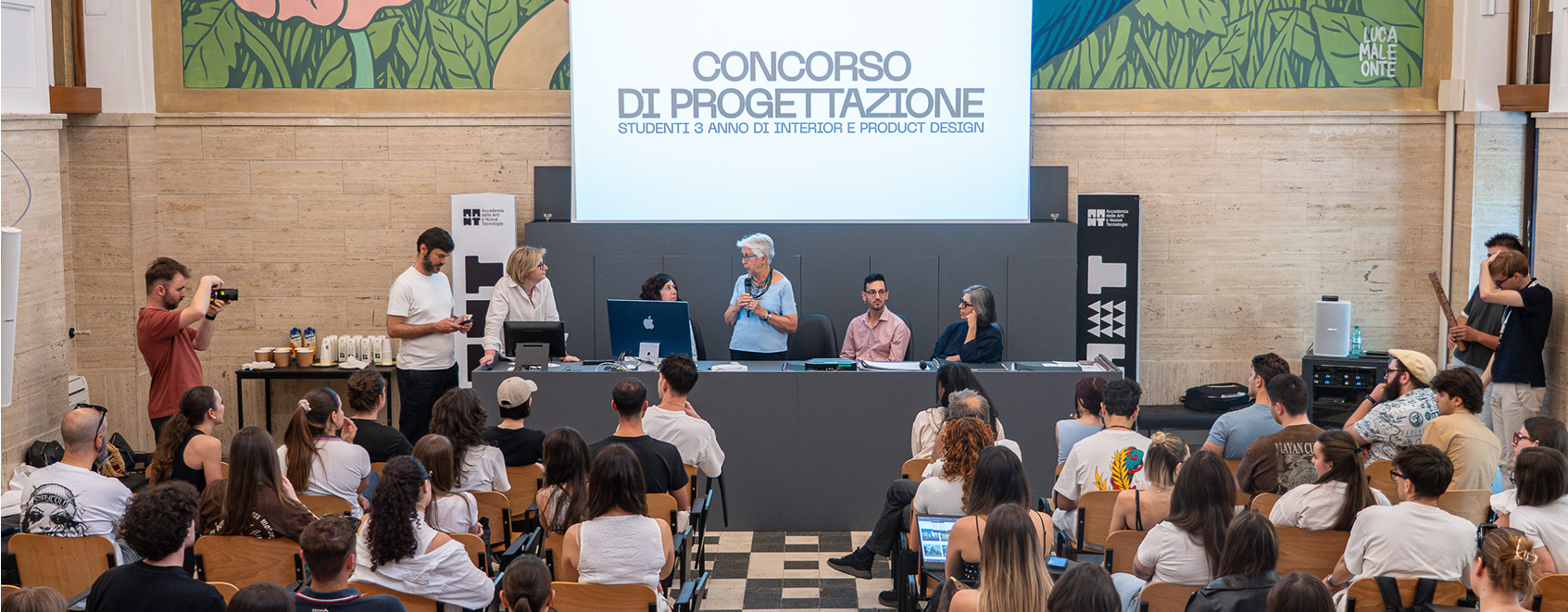
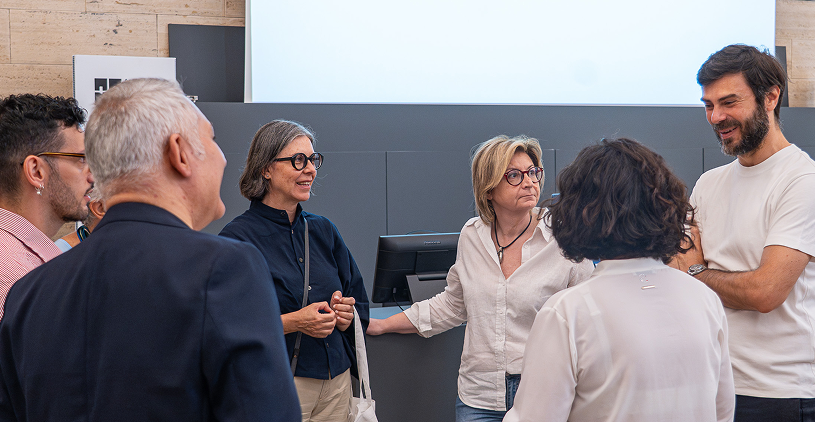
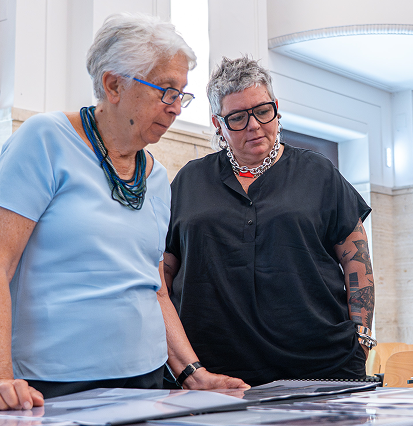
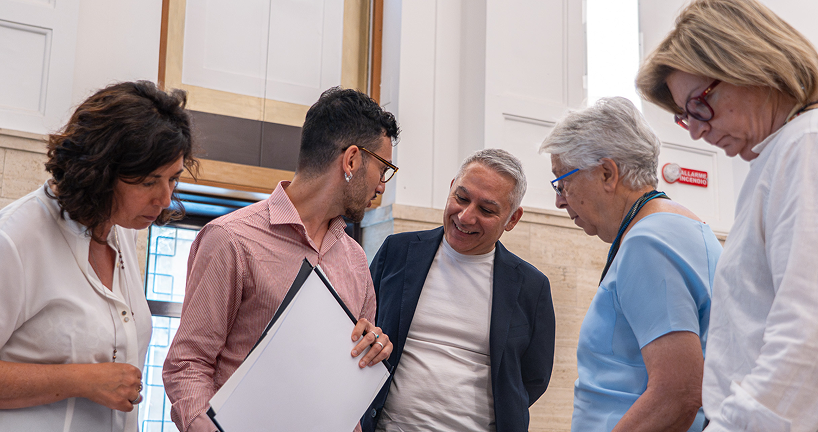
On 10 June 2026, the jury met at the AANT campus in Rome to evaluate the projects and select a winner, looking for a proposal distinguished by clarity, design maturity and cultural relevance.
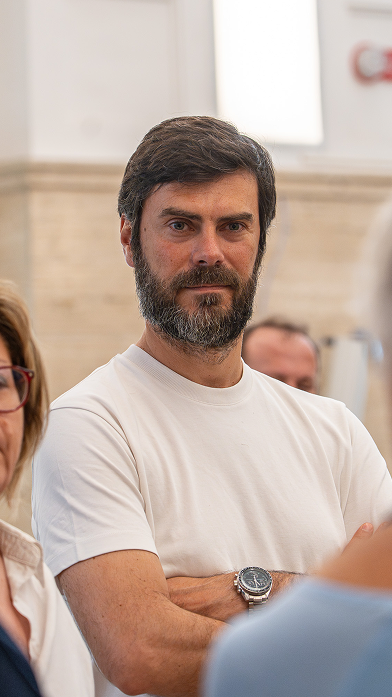
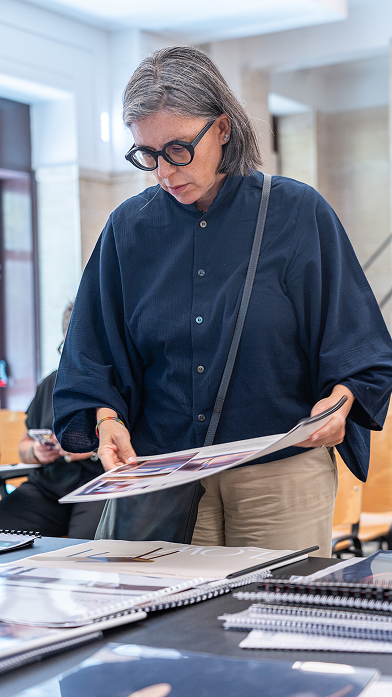
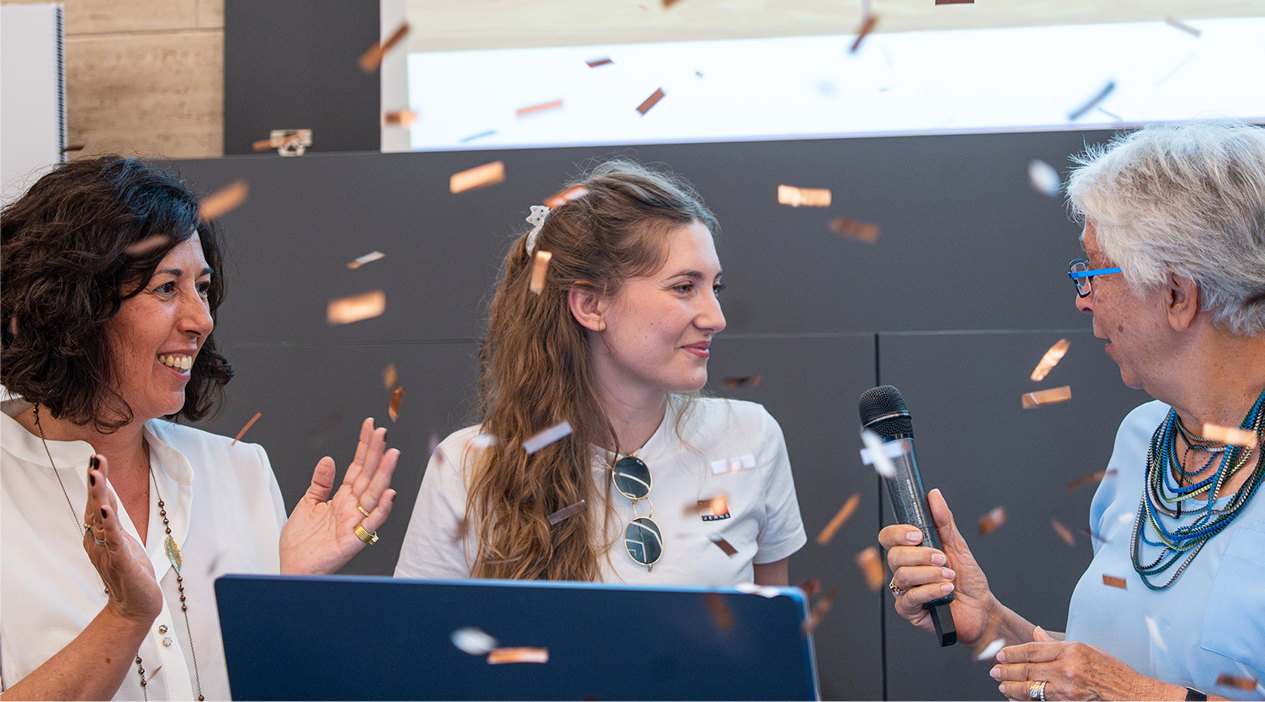
The jury — Domitilla Dardi representing EDIT Napoli, Roberto Fusco representing Prezioso Casa, Rossana Quarta and Giovanna Talocci representing AANT, and Maria Cristina Argento representing Hue & Eye Magazine — unanimously selected Estro, designed by Elena Sambucci, as the winning project.
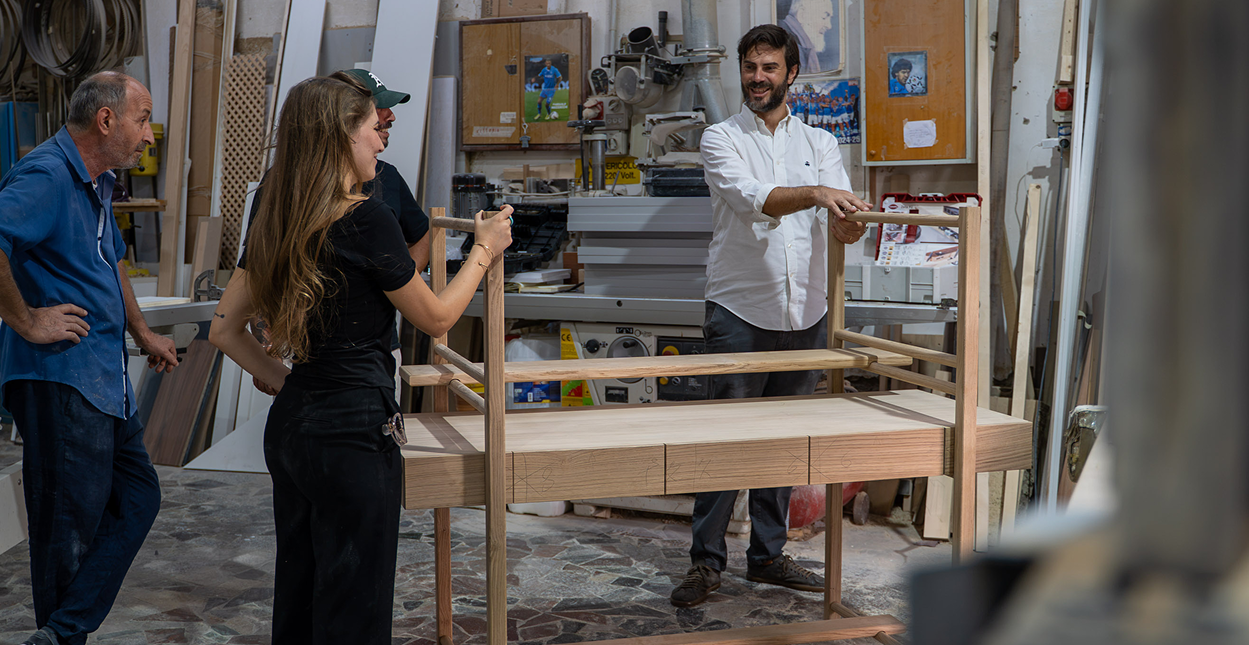
Following its selection, Estro was further developed and produced in collaboration with Prezioso Casa for exhibition at EDIT Napoli 2026.
A Desk for Focus, Privacy and Pause
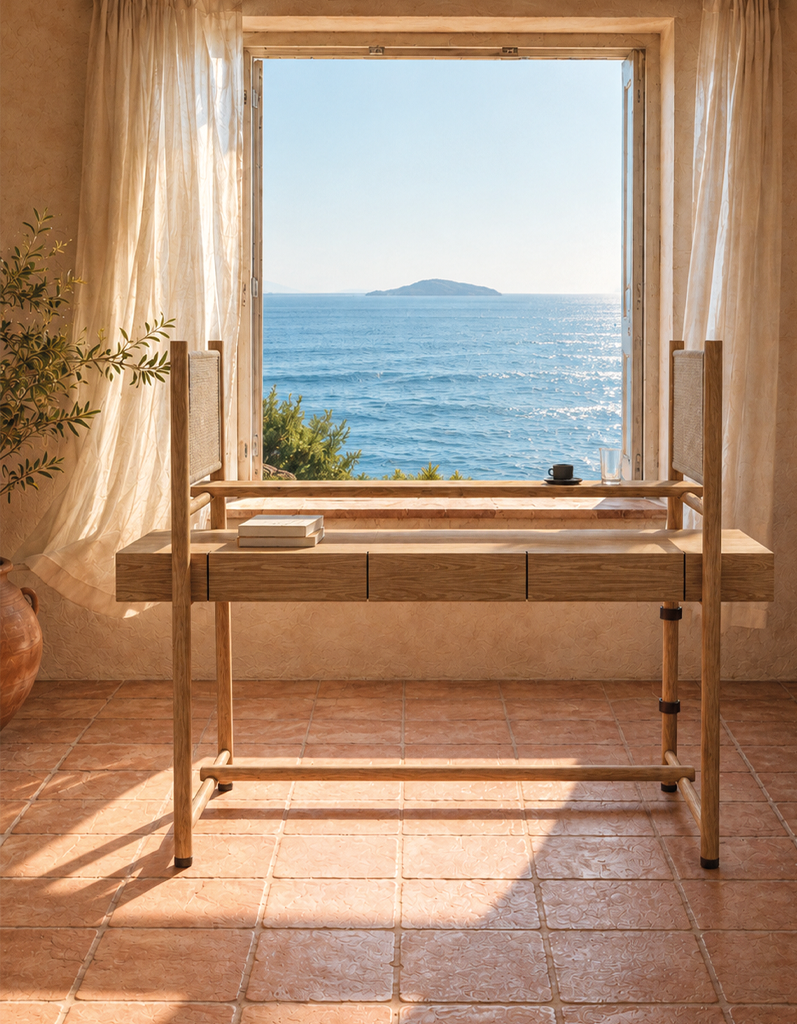
Estro balances simplicity and sensitivity. Its minimal lines give the desk a sense of visual lightness, while the choice of materials remains precise and functional.
Made of oak and fabric, the desk rethinks home working through a balance between focus and pause. Japanese sensibility meets Mediterranean light to define a space that feels sheltered yet open. The side panels encourage concentration and frame the view, making the window and surrounding landscape an integral part of the experience. The outward view introduces a sense of openness, creating a continuous relationship between the domestic space, working activity and the surrounding environment.
Estro thus approaches home working as part of the everyday experience of living, creating a space dedicated to work and concentration without isolating the user from their surroundings.
Special Mentions
In addition to Elena Sambucci, three students received special mentions for the originality of their desk designs.
Costanza Armone presented Stilla, a desk that goes beyond being a purely functional object to become a space designed to foster deep focus and immersion.
Pierfrancesco Sallemi developed Zelo, a compact desk that deliberately removes all unnecessary elements, prioritising clarity and functionality.
Chiara Ferrero designed Onoff, a desk conceived to encourage a simple but essential habit: quickly putting away laptops, documents and work tools once a task is complete, helping to establish a clear separation between working time and time for rest.