SASPEM: AANT Guides Students in Health Communication Through Digital Languages

How can complex scientific research topics be transformed into content capable of engaging younger generations? And what role can audiovisual and digital languages play in fostering a more informed culture of health?

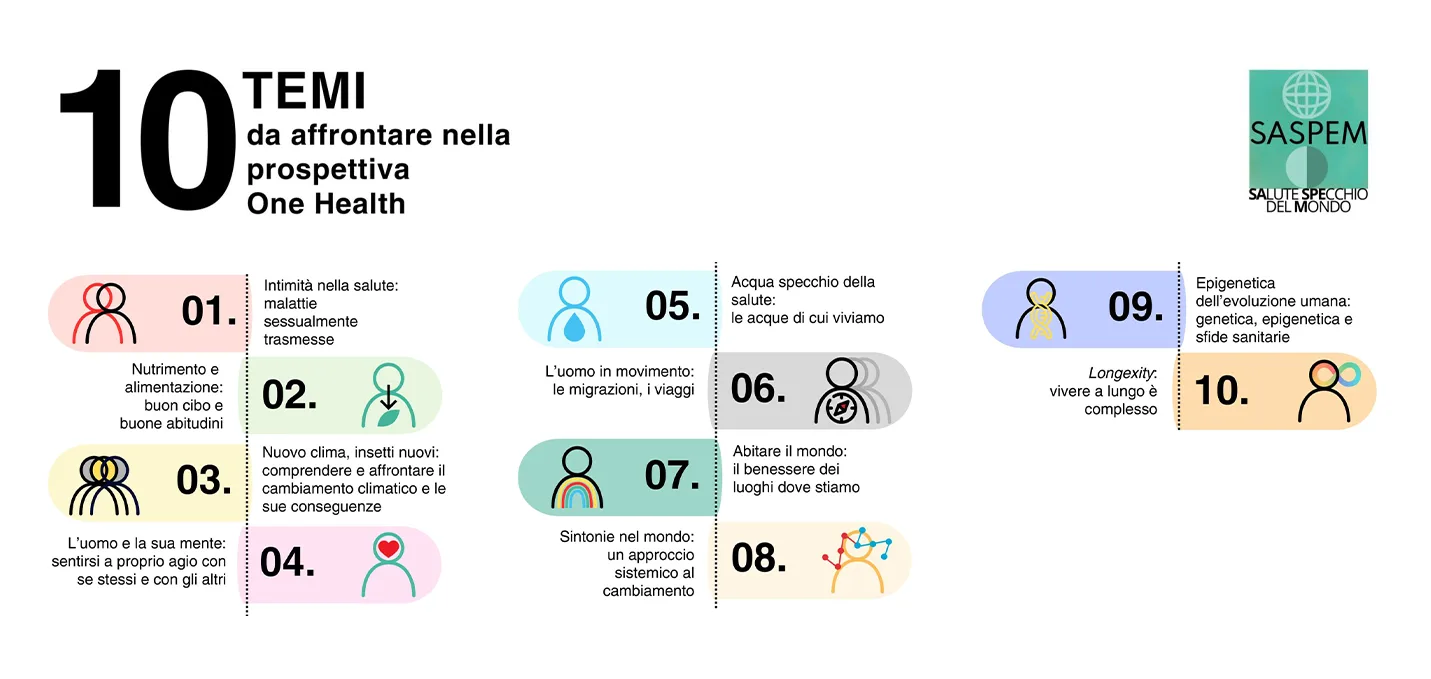
These are the questions at the heart of SASPEM – Health, a Mirror of the World, an experimental health education project that brings together schools, universities, researchers, physicians, and communication professionals. Its goal is to promote an integrated vision of individual and collective well-being through the One Health approach, which views human health, the environment, and society as deeply interconnected dimensions.

Within the project, AANT played a central role in the communication and creative production process, supporting students in transforming scientific content into audiovisual products designed for digital platforms.

One of the most significant moments of the project was the event “Health, a Mirror of the World,” held on March 16 at the Conference Center of the Catholic University of the Sacred Heart in Rome. The event featured prominent figures from the international medical and scientific community, including Carlo Torti, Elena Raffetti, and Riccardo Serraino.

Building on the knowledge shared during these sessions, AANT designed a comprehensive workshop program for the participating classes, aimed at developing storytelling, digital, and audiovisual skills. The program included social media literacy activities focused on understanding platform dynamics and communication strategies, workshops on creating storytelling for reels and short-form content, lessons on the grammar of audiovisual language, and practical sessions dedicated to filming preparation and reviewing the students’ productions.

Leading the workshops were AANT professionals and faculty members Andrea Sergiacomo, Matteo Quarta, Guido Calanca, and Giorgio Casa, who guided students through every stage of the creative process: from analyzing digital trends and defining key messages to narrative development, video production, and reel editing.

The goal was not only to provide technical skills, but also to help students learn how to communicate complex scientific topics in an effective, accessible, and responsible way. This approach combines research, creativity, and innovation, highlighting the potential of contemporary communication languages as powerful tools for public engagement and science communication.

AANT at IPCA in Barcelos

From 11 to 15 May, Professor Cristian Sammarco, lecturer at AANT, was a guest of IPCA – Instituto Politécnico do Cávado e do Ave in Barcelos, Portugal, as part of an academic exchange experience dedicated to the dissemination of design culture and international dialogue on design-related topics.

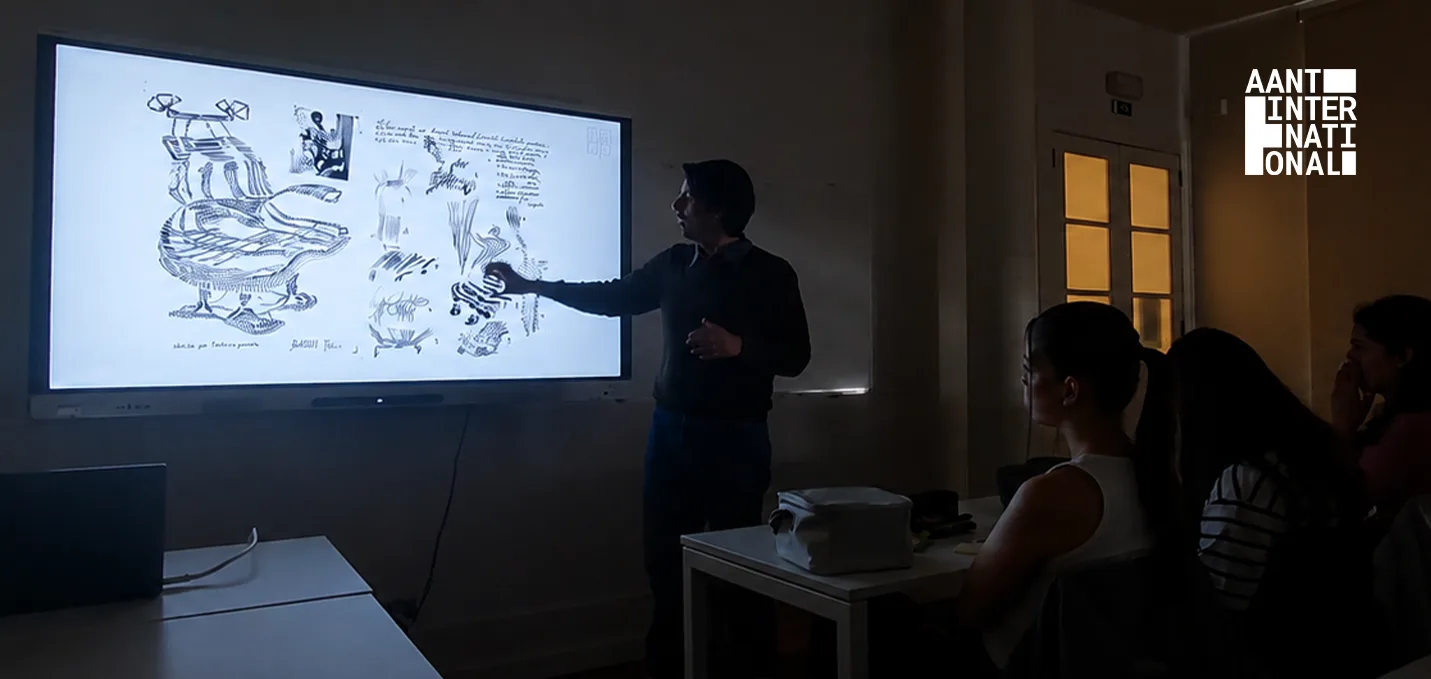
The professor carried out teaching activities for students at the Portuguese institution through two seminar lectures and several project review and discussion sessions focused on work developed within the courses. 

The programme explored some of the most significant themes in the history of Italian design. On 12 May, he delivered the seminar “Vico Magistretti. An Italian Architect”, dedicated to the renowned Milanese architect and designer and his contribution to the development of contemporary design. On 15 May, he presented the lecture “Radical Architecture and Design in Italy”, which examined the experiences of Italian Radical Architecture and Radical Design during the 1960s and 1970s, highlighting their cultural legacy and their influence on the international design discourse.

The initiative represented an important opportunity for exchange between students and faculty members from both institutions, strengthening dialogue between different educational contexts and fostering a shared reflection on the history, theory, and practice of design.

AANT at NAFSA 2026

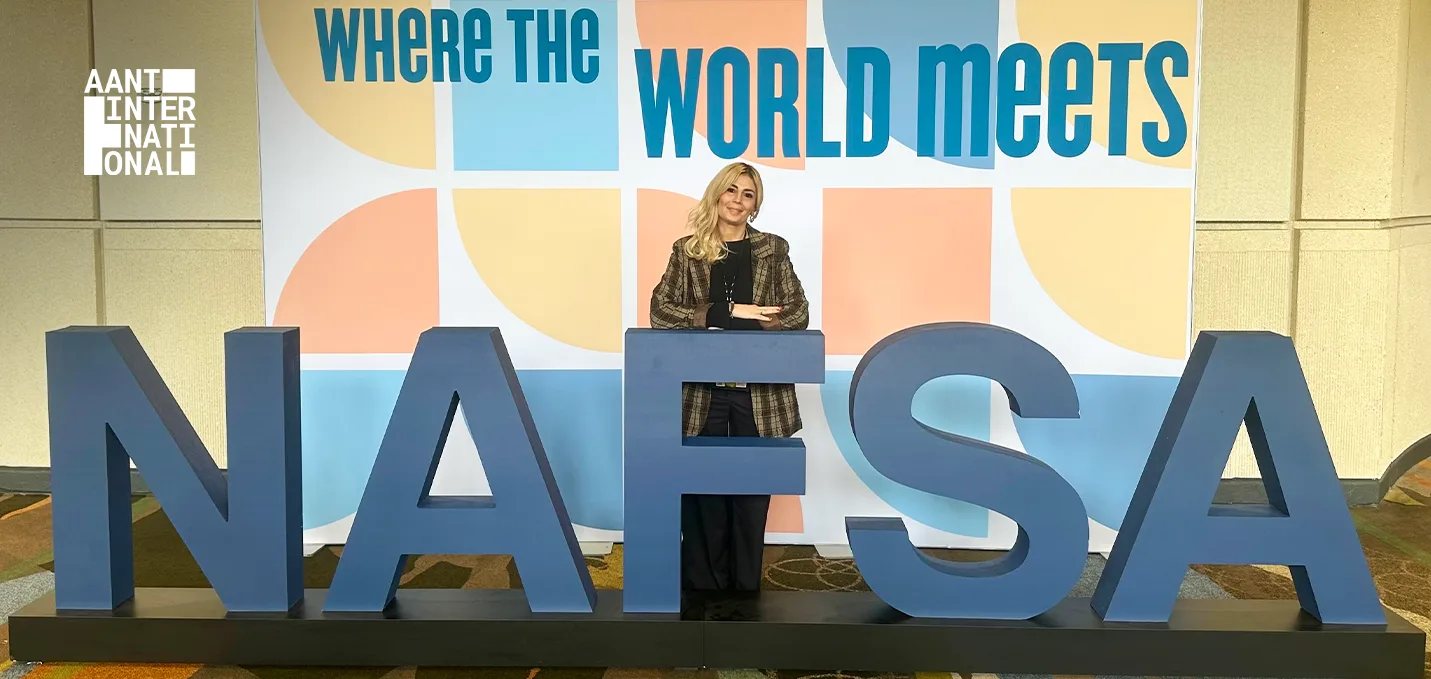
AANT took part in the NAFSA 2026 Annual Conference & Expo, one of the leading international events for education, academic mobility, and partnerships between higher education institutions.

The Academy was represented by Gianna Angelini, who engaged in a programme of meetings with universities, organisations, networks, and international education professionals, with the aim of strengthening existing relationships and opening up new opportunities for collaboration.

AANT’s participation in NAFSA confirms the Academy’s commitment to reinforcing its position within an increasingly global context, where education, creativity, and innovation interact with constantly evolving professional and cultural scenarios. It was a valuable opportunity to connect with international institutions, explore new prospects for students and faculty, and promote the value of Italian education in the fields of design, visual communication, media, and emerging technologies.

In line with the spirit of NAFSA 2026, dedicated to the theme “Global by Design”, AANT sees internationalisation as a design-driven process: not merely an expansion of borders, but a strategic choice to build more open, connected learning experiences that prepare creative talents for the challenges of the present.

Meet the Expert: Fabio Antonelli on the Power of Music in Video Games

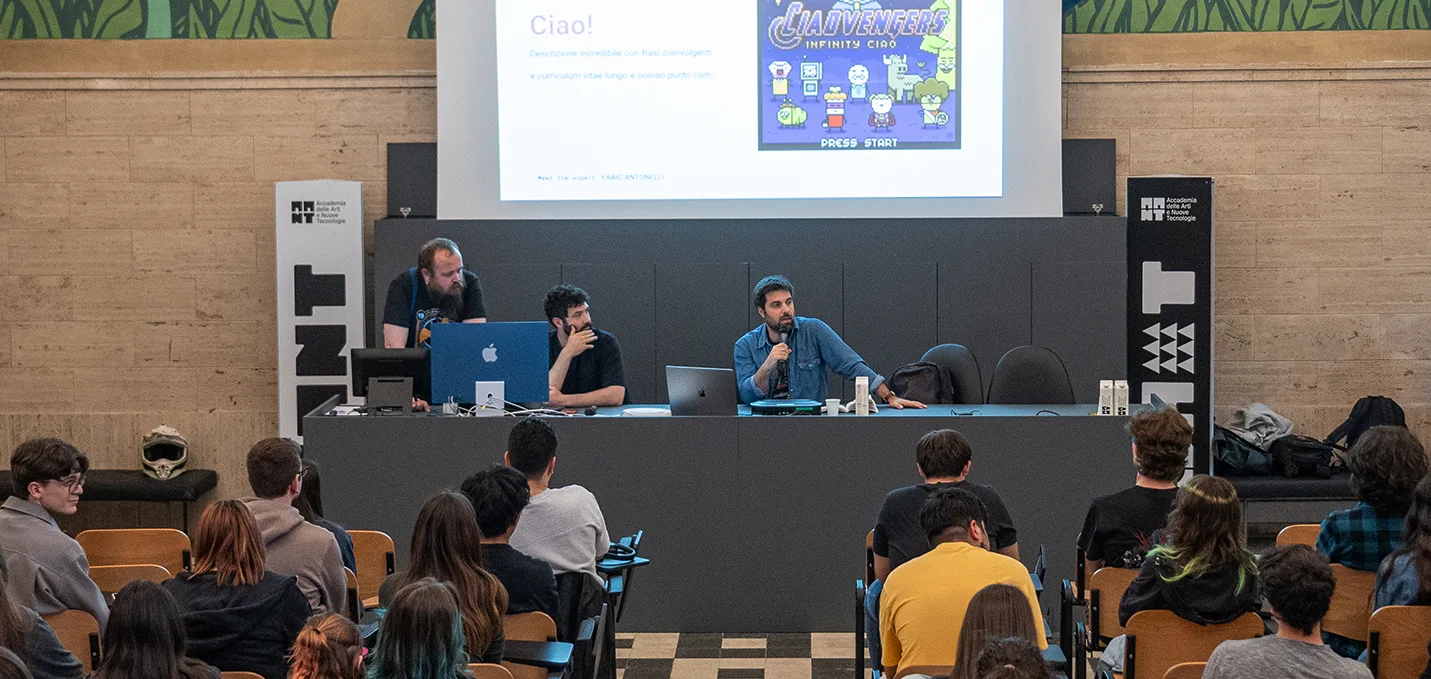
On May 19, AANT hosted the final Meet the Expert event of the academic year. The guest speaker was Fabio Antonelli, a composer, music producer, and multi-instrumentalist who has long been dedicated to promoting music culture through projects that combine analysis, storytelling, and in-depth exploration of film and media soundtracks. 

During the event, Antonelli shared his professional experience with students enrolled in AANT’s Bachelor’s Degree programmes, and particularly the Bachelor Degree Programme in Game Design, discussing the role of music as a narrative tool in films, television series, and video games. The meeting provided a valuable opportunity to reflect on how sound contributes to shaping the identity of an audiovisual work and creating an engaging emotional experience for audiences. 

A key focus of the event (coordinated by the teacher Coordinator of Game Design Simone Mari)  was “SuonA Tipo Bene”, the podcast created and hosted by Antonelli, which explores the language of soundtracks and their impact on contemporary storytelling. Through episodes dedicated to films, TV series, and video games, the project makes complex musical concepts accessible to a wider audience, shedding light on composers’ work, creative processes, and the hidden meanings behind musical choices. 

Students particularly appreciated the opportunity to engage directly with the guest speaker, who answered questions about career paths in the music industry, the skills currently required by the creative sector, and the opportunities offered by new digital platforms for production and cultural dissemination.

AANT’s students receive a Merit Award at the Young Ones Awards 2026

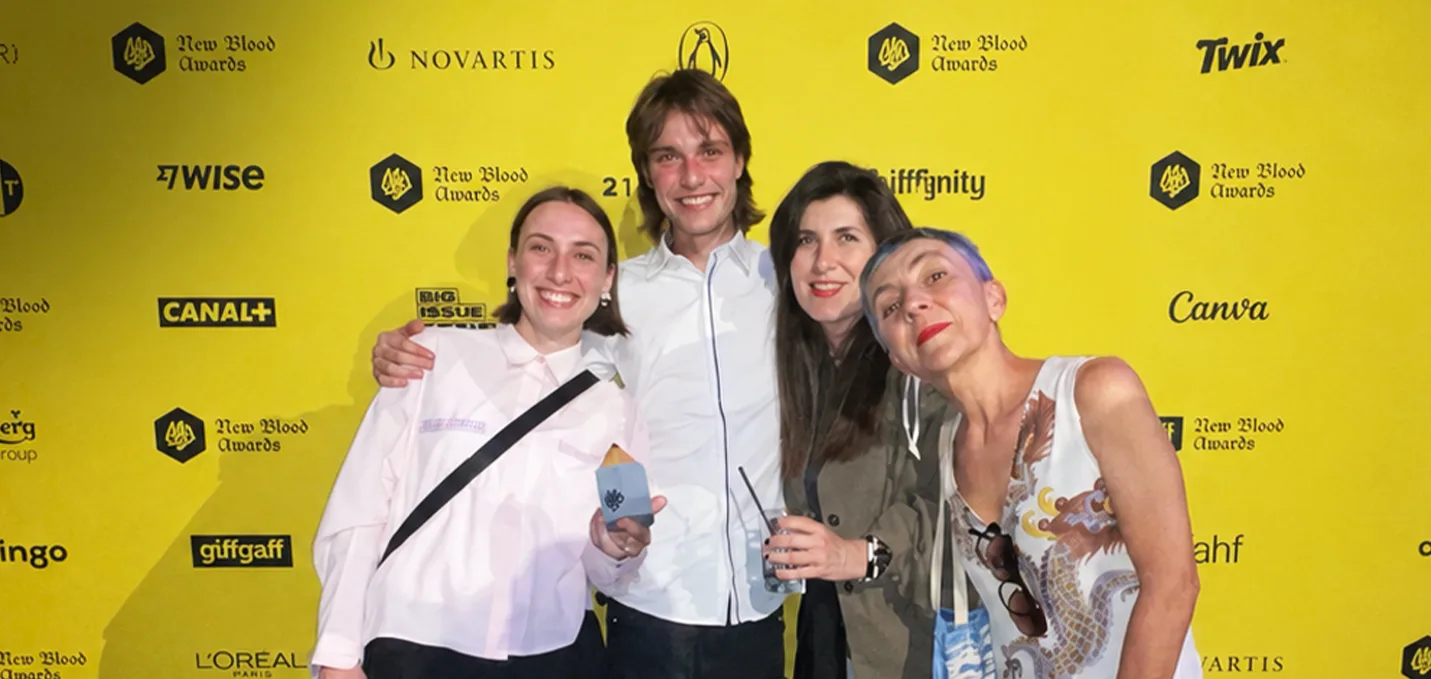
AANT creativity continues to stand out on the international stage. Students from the Bachelor’s Degree in Art Direction, Advertising and Graphic Design, Alessandro Arnold, Carlo Renato Popescu and Matteo Sinopoli, supervised by lecturer Giulia Magaldi, received the prestigious “Merit” recognition at the Young Ones Student Awards 2026, one of the world’s most important competitions dedicated to emerging talents in creative communication, design and advertising.

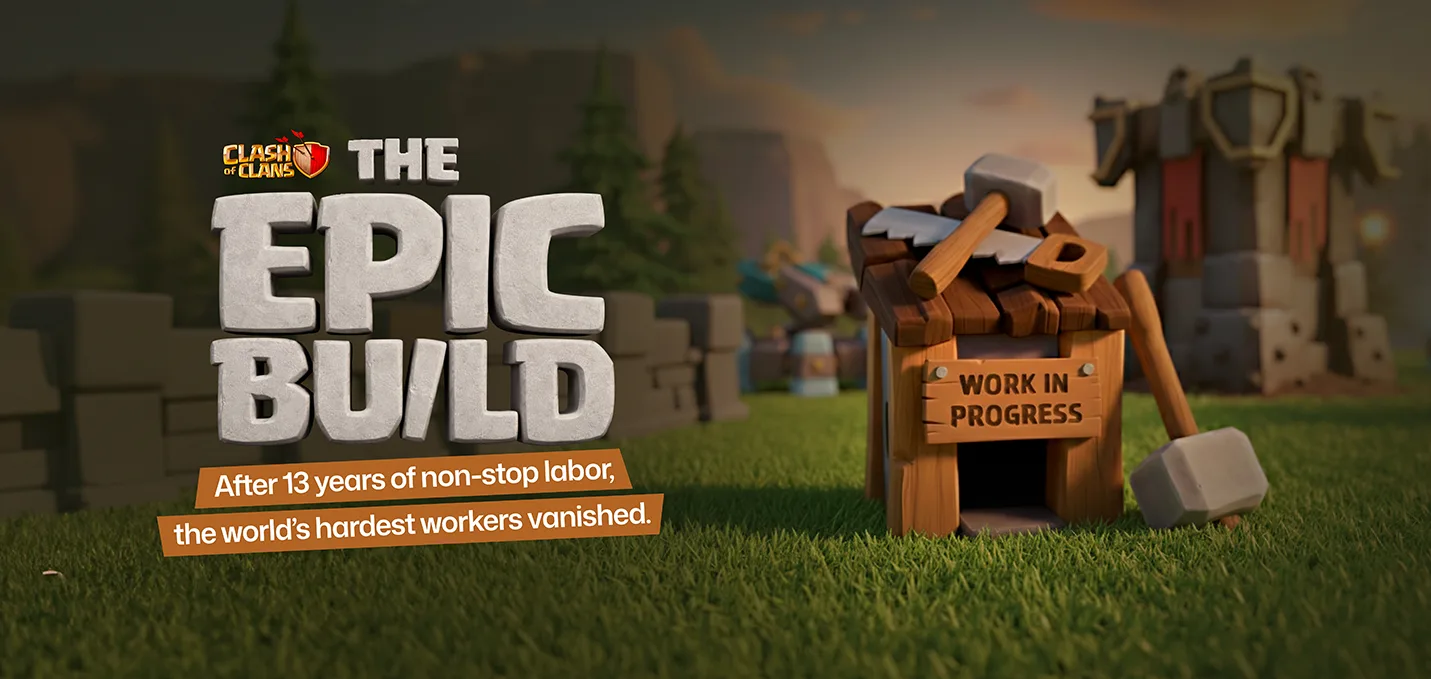
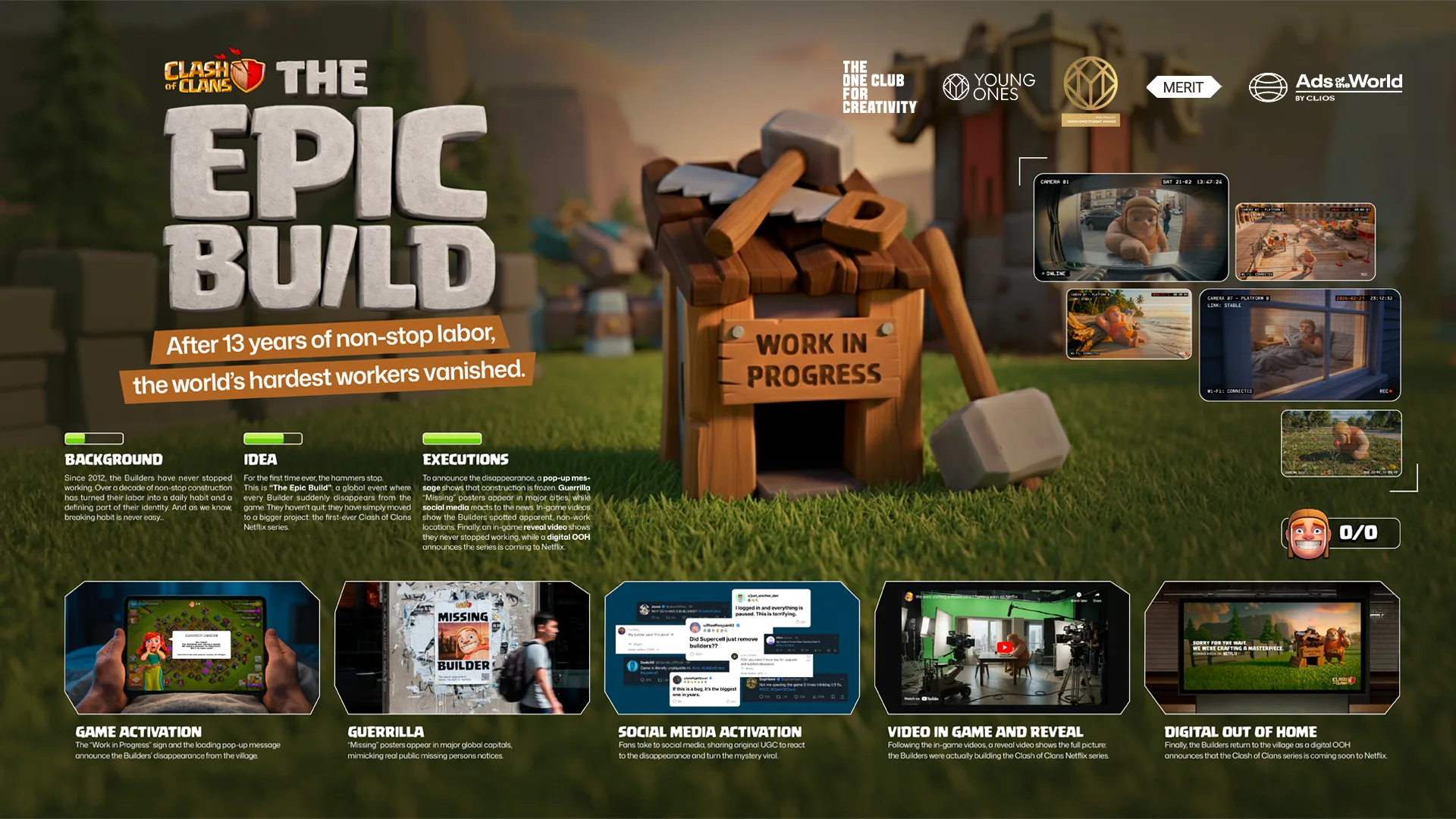
Organized by The One Club for Creativity in New York, the Young Ones Awards represent a global benchmark for contemporary creativity, bringing together students and schools from all over the world every year. The awarded project, “The Epic Build”, imagines a global campaign for the launch of the first Netflix series set in the Clash of Clans universe, transforming one of the game’s most iconic elements — the famous Builders — into the center of an immersive and transmedia narrative.

The creative concept begins with an unexpected disruption: after more than ten years of nonstop work, the Builders suddenly disappear from the game. Construction sites freeze, villages fall silent, and the global community begins questioning the mystery. From this premise, a campaign unfolds through in-game activations, guerrilla posters across major international cities, social media leaks and cinematic video content, culminating in the final reveal: the Builders never stopped working — they were simply building their most ambitious project ever, the new Netflix series dedicated to the franchise.

“The Epic Build” stood out for its ability to integrate storytelling, gaming culture, entertainment and advertising into a contemporary narrative ecosystem, demonstrating a strong understanding of digital communication languages and immersive experiences.

Good job!

Case Film

Case Board

The Epic Build - Clash of Clans Board

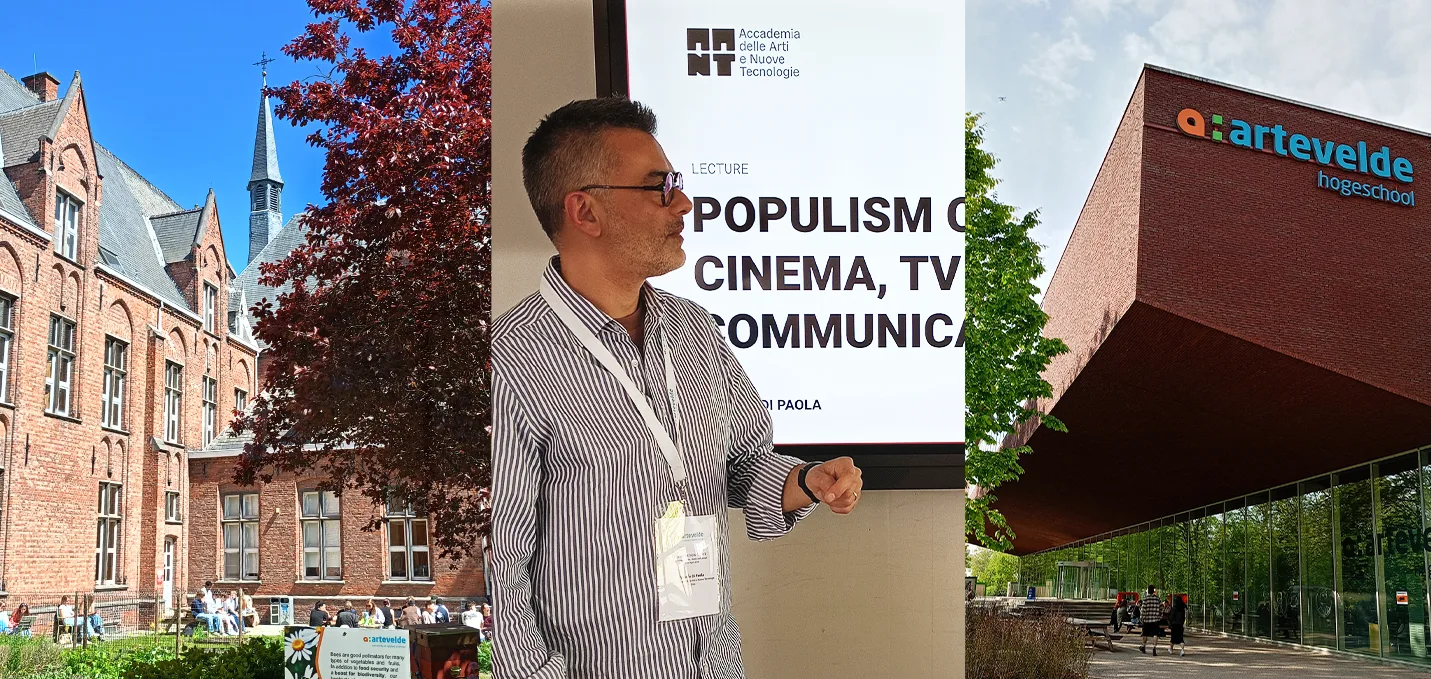
International week in Ghent: AANT Between Cinema, TV Series and Artificial Intelligence

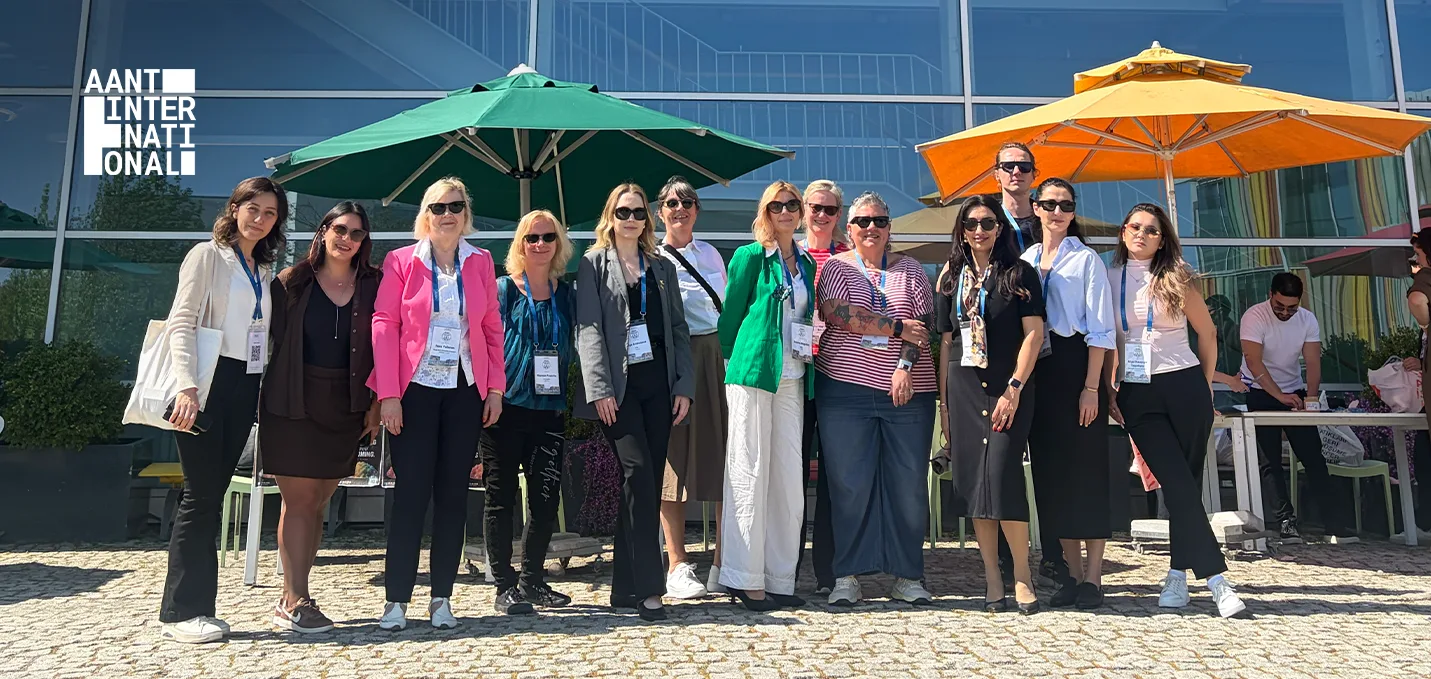
From April 27 to 29, AANT took part in the International Days hosted by the Artevelde University of Applied Sciences in Ghent, Belgium, as part of the Erasmus activities dedicated to international exchange among students, lecturers and European academic institutions.

Representing the Rome-based Academy was Valerio Di Paola, lecturer and coordinator of the Diploma course in Videomaking, Story, Cinema and Media Design, invited by the Department of Communication, Media and Design of the Belgian university to deliver the lecture and workshop “Populism on Screen: Cinema, TV and AI-driven Communication”.

The event offered a reflection on the relationship between audiovisual languages, political communication and generative artificial intelligence, exploring how cinema, television series and advertising contribute today to the construction of collective imagination and dynamics of consensus. Through examples drawn from contemporary visual culture, the workshop examined the growing role of entertainment within political narratives and the impact of AI on communication processes in the post-truth era, characterized by narrative fragmentation, hyperconnectivity and new forms of representation of identity and conflict.

The Erasmus experience in Ghent also provided an opportunity for international discussion around GeniaLAB, AANT’s research hub dedicated to the intersection of artificial intelligence, digital culture and design practices. The dialogue with students and lecturers from different European contexts opened new perspectives for research and collaboration on the ongoing transformations in visual communication, audiovisual culture and contemporary design.

AANT International in Istanbul: New Global Perspectives for AANT Three-Year Programs and Academic Mobility

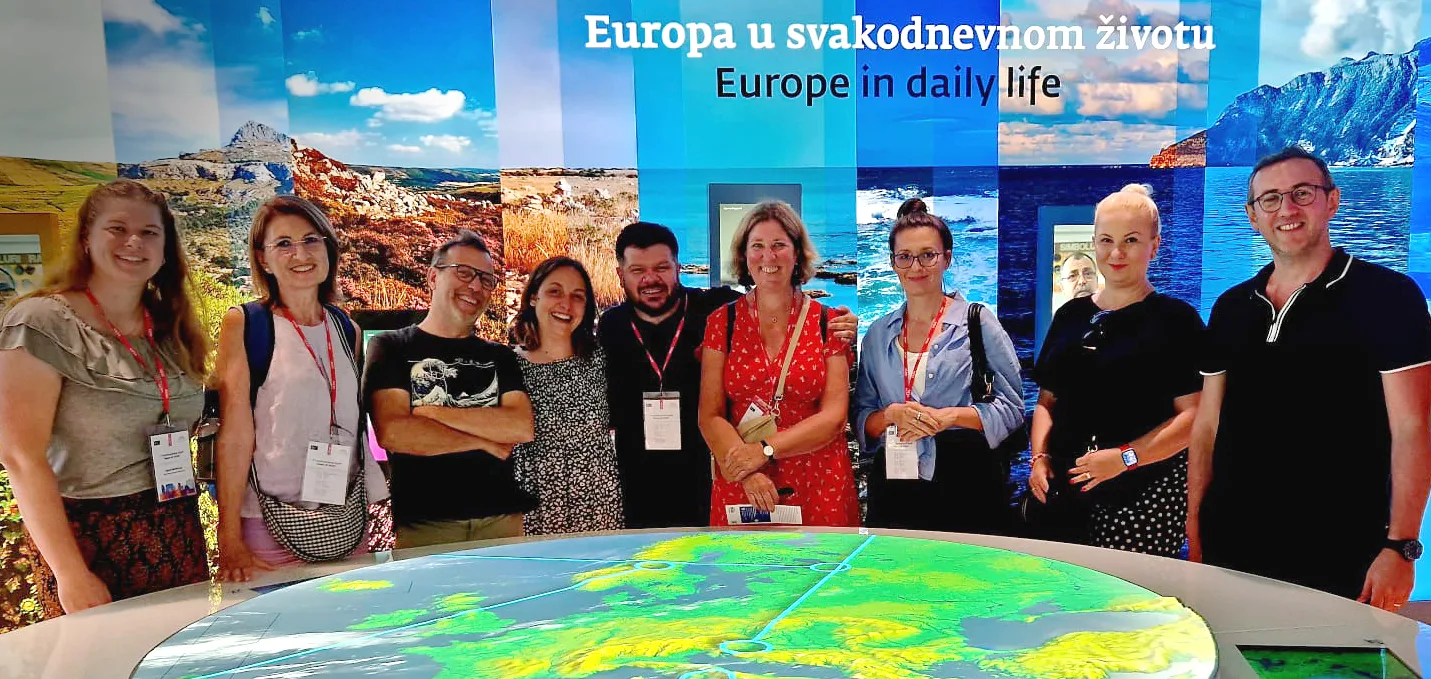
From 11 to 14 May 2026, the Academy of Arts and New Technologies, AANT, took part in the International Staff Week hosted by Özyeğin University, OzU, in Istanbul. Representing the Academy were Gianna Angelini, Scientific Director and Head of Internationalisation, and Rossana Quarta, General Director of AANT, who joined a programme focused on academic cooperation, mobility and the evolving future of higher education.

Organised by OzU’s International Exchange and Partnership Programs Office, the week brought together representatives from universities and international offices to exchange experiences, best practices and collaboration models. The programme included partner presentations, structured networking sessions, thematic workshops, roundtables and a partner fair, creating a dynamic setting for the development of new institutional relationships.

During the opening sessions, Özyeğin University presented its academic model, strongly oriented towards research, entrepreneurship, innovation, sustainability and global impact. For AANT, the exchange with OzU and the other participating institutions offered an opportunity to explore educational and organisational approaches that connect learning, applied research, industry relations and internationalisation.

A key focus of the programme was the role of artificial intelligence and digital transformation in higher education. The keynote session, “The New Era of Higher Education: Research, Innovation, and Impact”, opened a discussion on the major changes currently reshaping universities: from learning and assessment processes to the need to train professionals who can use AI critically, ethically and responsibly. These themes are closely connected to AANT’s ongoing work on contemporary languages, emerging technologies and the creative skills of the future.

The programme also included a workshop at MakersLab/OpenFab, dedicated to maker culture, digital fabrication and prototyping processes. The lab presented how 3D modelling, 3D printing, laser cutting, electronics, biomaterials and collaborative design can become part of educational pathways in design, engineering, gastronomy and innovation. This dimension is particularly close to AANT’s identity, which has always been rooted in the dialogue between arts, design and new technologies.

Another central moment of the week was the session dedicated to best practices in student and staff mobility. Participants discussed common challenges and possible solutions to improve welcome processes, communication, orientation and integration: from incoming student onboarding to peer support programmes, as well as digital tools designed to make information more accessible and encourage greater autonomy.

Alongside the academic activities, the week also included moments dedicated to Turkish culture and to the city of Istanbul, including workshops on marbling and woodblock printing, a session on Turkish coffee culture, social activities and a guided city tour. This experiential dimension strengthened the intercultural value of the programme, turning mobility into an opportunity for dialogue, connection and shared learning.

AANT’s participation in the International Staff Week at Özyeğin University is part of the Academy’s broader internationalisation strategy, developed through partnerships, exchanges and shared projects.
Speaking Out in the Creative Industry: AANT Hosts a Dialogue with We Hate Pink

On Thursday, May 7, AANT’s Aula Magna hosted the event “Speaking Out in the Creative Industry and Beyond”, a discussion focused on the transformations currently shaping the worlds of communication, creativity, and contemporary cultural professions. The event was organized with the contribution of Professor Hila Narducci and developed in collaboration with We Hate Pink, a cultural and social project committed to promoting inclusivity, representation, and critical awareness against gender stereotypes and practices of pinkwashing — a communication strategy through which companies, brands, or institutions use themes related to LGBTQIA+ rights, inclusivity, or feminism primarily as marketing and reputational tools, without implementing genuinely coherent or inclusive practices behind these narratives.

The panel was moderated by Rossella Forlé, Founder of We Hate Pink, who guided the conversation between the speakers and the audience, opening a broader reflection on the languages of contemporary communication and the role of culture in shaping collective imaginaries. Among the guests, Assunta Squitieri addressed the transformations affecting the communication sector and the challenges currently shaping creative work, including precarity, exploitation, and the urgent need to redefine new professional models.

Miriam Mastria, expert in feminist philanthropy and gender rights, as well as co-founder and director of the newly established feminist foundation SEMIA, contributed a reflection on the relationship between activism, inclusivity, and cultural sustainability, highlighting the importance of networks and collective practices within processes of social transformation. During the discussion, Barbara Centrone, PhD candidate in Didactics and Special Education at Roma Tre University, explored the representation of identities in media and educational processes, focusing on the cultural impact of stereotypes and the importance of building inclusive and conscious models of representation.

Following this, Francesco Pierri, also known by the drag name Cristina Prenestina, shared a reflection on the body as a political language and on the importance of defending one’s identity within creative and professional environments, emphasizing dissent as a daily practice of freedom and self-determination. The evening concluded with the presentation of the documentary “Real Ads”, a project dedicated to a critical reinterpretation of contemporary advertising imagery.

AANT in Ghent: Branding as a Tool to Read the City

From April 27 to 30, a group of students from AANT Academy’s Bachelor’s Degree programs in Art Direction, Advertising, and Graphic Design took part in the Blended Intensive Programme “Summer of Branding”, organized by Artevelde University of Applied Sciences in Ghent.

The experience involved Alessandro Arnold, Francesco Cimmino, Giorgia Sofia Fede, Giuseppe Maria Falso, Enrico Pezzali, Luca Porfirio, Nicolò Portarelli, Carlo Renato Popescu, Giulia Ragusa, and Viola Rinaldi, accompanied by lecturers Daniel Bedusa and Antonio De Falco.

During the intensive week, students collaborated with participants from partner European universities, working in international teams designed to encourage the exchange of different approaches, skills, and creative perspectives.

The core of the workshop focused on analyzing and reinterpreting selected locations in the city of Ghent through branding and visual communication tools. The project required direct observation, on-site research, and the ability to transform urban, historical, and cultural elements into contemporary visual narratives. Alongside the design activities, the programme included meetings with industry professionals, typography workshops, cultural visits, and moments of urban exploration, offering students an immersive experience within the creative landscape of the Belgian city. Activities also included a visit to Ghent’s Industry Museum and a workshop dedicated to letterpress printing, where participants experimented with analog processes and traditional composition techniques.

For the students of the Rome-based Academy, the BIP represented a valuable opportunity for international exchange, creative and professional growth, and the development of an increasingly open and collaborative design practice capable of connecting design, storytelling, and cultural identity.

GeniaLAB AANT: Design for All with Alessio Gallina

What does it mean to design today, in a context where language, images and intelligent technologies continuously reshape the way we interpret the world?

It is from this question—both simple and radical—that the latest GeniaLAB session, held on April 28 and titled “Design for All: Inclusion, Senses and AI,” took shape. The event transformed AANT’s main lecture hall into a critical laboratory, where design and artificial intelligence were explored not merely as tools, but as cultural devices. Guided by the talk of Alessio Gallina, students from the three-year academic programs engaged in a path that connected language, gender discrimination and AI systems, highlighting how what appears neutral—a color, an interface, a word—is in fact part of a broader system of meaning-making.

During the session, introduced and moderated by Prof. Gianna Angelini, Scientific Director and Head of Internationalization at the Academy, it became clear that discrimination is not only a visible social phenomenon, but also a structure embedded within symbolic systems: in languages, visual representations and the logics that shape contemporary technologies. In this context, artificial intelligence takes on an ambivalent role. On one hand, it is a powerful tool; on the other, it acts as an amplifier of cultural bias, capable of reproducing and reinforcing stereotypes through outputs that become actual discursive acts. Digital platforms, moreover, increasingly tend to build personalized environments, turning into closed spaces that reinforce pre-existing beliefs.

The key turning point proposed by the event concerns the role of the designer. No longer a mere executor of functional solutions, but a conscious figure, called to continuously question their own work. From this perspective, designing means taking responsibility: defining possibilities, creating access, and imagining forms of inclusion. The reflections that emerged during the session fit into a broader framework, where design is recognized as an intrinsically cultural practice, capable of influencing how people inhabit both physical and digital spaces, and how they build relationships.