How can complex scientific research topics be transformed into content capable of engaging younger generations? And what role can audiovisual and digital languages play in fostering a more informed culture of health?
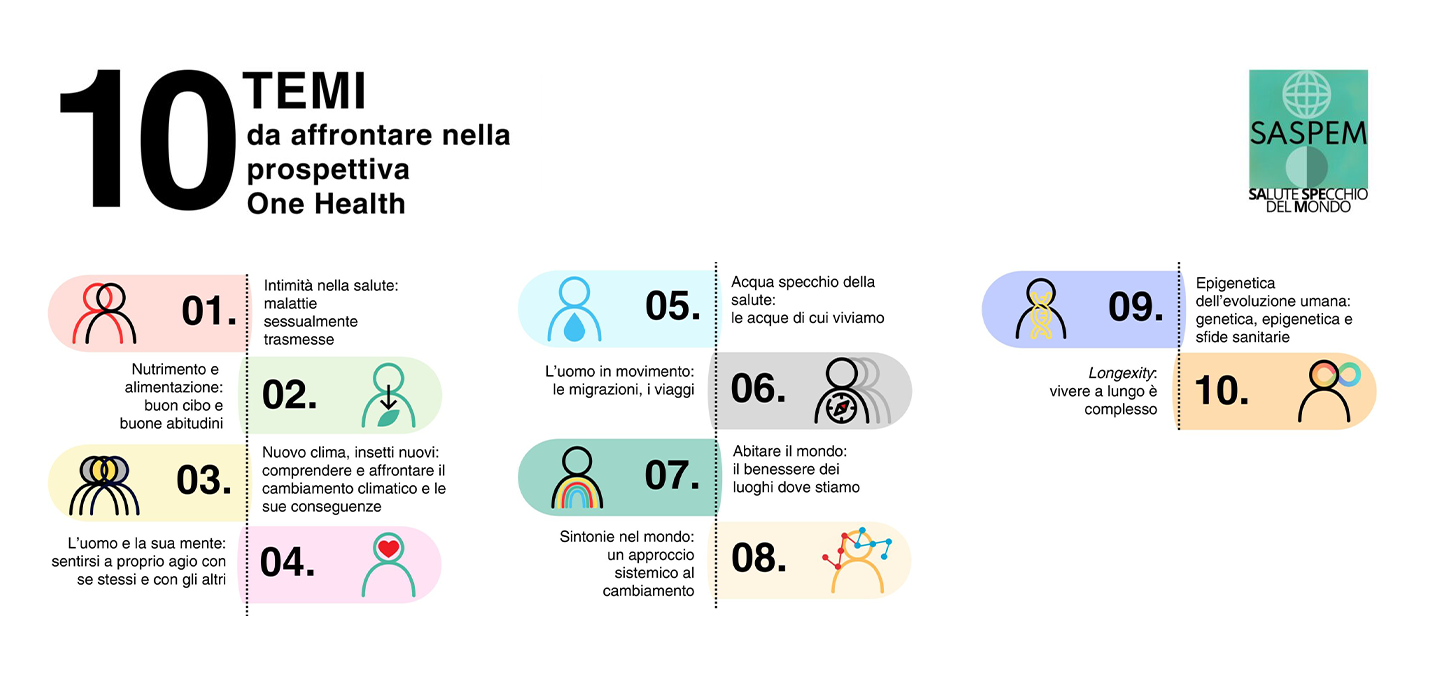
These are the questions at the heart of SASPEM – Health, a Mirror of the World, an experimental health education project that brings together schools, universities, researchers, physicians, and communication professionals. Its goal is to promote an integrated vision of individual and collective well-being through the One Health approach, which views human health, the environment, and society as deeply interconnected dimensions.
Within the project, AANT played a central role in the communication and creative production process, supporting students in transforming scientific content into audiovisual products designed for digital platforms.
One of the most significant moments of the project was the event “Health, a Mirror of the World,” held on March 16 at the Conference Center of the Catholic University of the Sacred Heart in Rome. The event featured prominent figures from the international medical and scientific community, including Carlo Torti, Elena Raffetti, and Riccardo Serraino.
Building on the knowledge shared during these sessions, AANT designed a comprehensive workshop program for the participating classes, aimed at developing storytelling, digital, and audiovisual skills. The program included social media literacy activities focused on understanding platform dynamics and communication strategies, workshops on creating storytelling for reels and short-form content, lessons on the grammar of audiovisual language, and practical sessions dedicated to filming preparation and reviewing the students’ productions.
Leading the workshops were AANT professionals and faculty members Andrea Sergiacomo, Matteo Quarta, Guido Calanca, and Giorgio Casa, who guided students through every stage of the creative process: from analyzing digital trends and defining key messages to narrative development, video production, and reel editing.
The goal was not only to provide technical skills, but also to help students learn how to communicate complex scientific topics in an effective, accessible, and responsible way. This approach combines research, creativity, and innovation, highlighting the potential of contemporary communication languages as powerful tools for public engagement and science communication.